
At Joy in Every Child, we honor the unique story of each child and family. Through personalized, sensory-informed occupational therapy, we help children build the foundational skills they need to thrive — in their bodies, in their relationships, and in the world around them.
With compassion, play, and a deep belief in every child’s potential, we walk alongside you — celebrating every step, every milestone, and every moment of growth.
How We Support Your Child...
How We Support Your Child...

-
![Kid Playing Sensory Processing]()
Sensory Processing
Helping children feel safe and comfortable with everyday sounds, touches, movements, and sensations.
-
![Behavior & Emotional Regulation]()
Behavior & Emotional Regulation
Building your child’s ability to manage big feelings, calm their body, and recover from stress.
-
![Early Intervention Play Therapy]()
Early Intervention (Ages 0–3)
Encouraging developmental milestones through play, movement, and connection during your child’s earliest years
-
![Self-Care & Routine]()
Self-Care & Routines
Supporting independence in dressing, hygiene, feeding, and daily home activities.
-
![Executive Functioning]()
Executive Functioning
Strengthening focus, planning, organization, and flexibility to succeed at home and in school.
-
![Handwriting & Fine Motor]()
Handwriting & Fine Motor
Improving hand strength, coordination, and control for writing and everyday hand skills.
-
![Whole-Child Development]()
Whole-Child Development
Nurturing confidence, play, and participation by supporting the child’s mind, body, and emotions together.
-
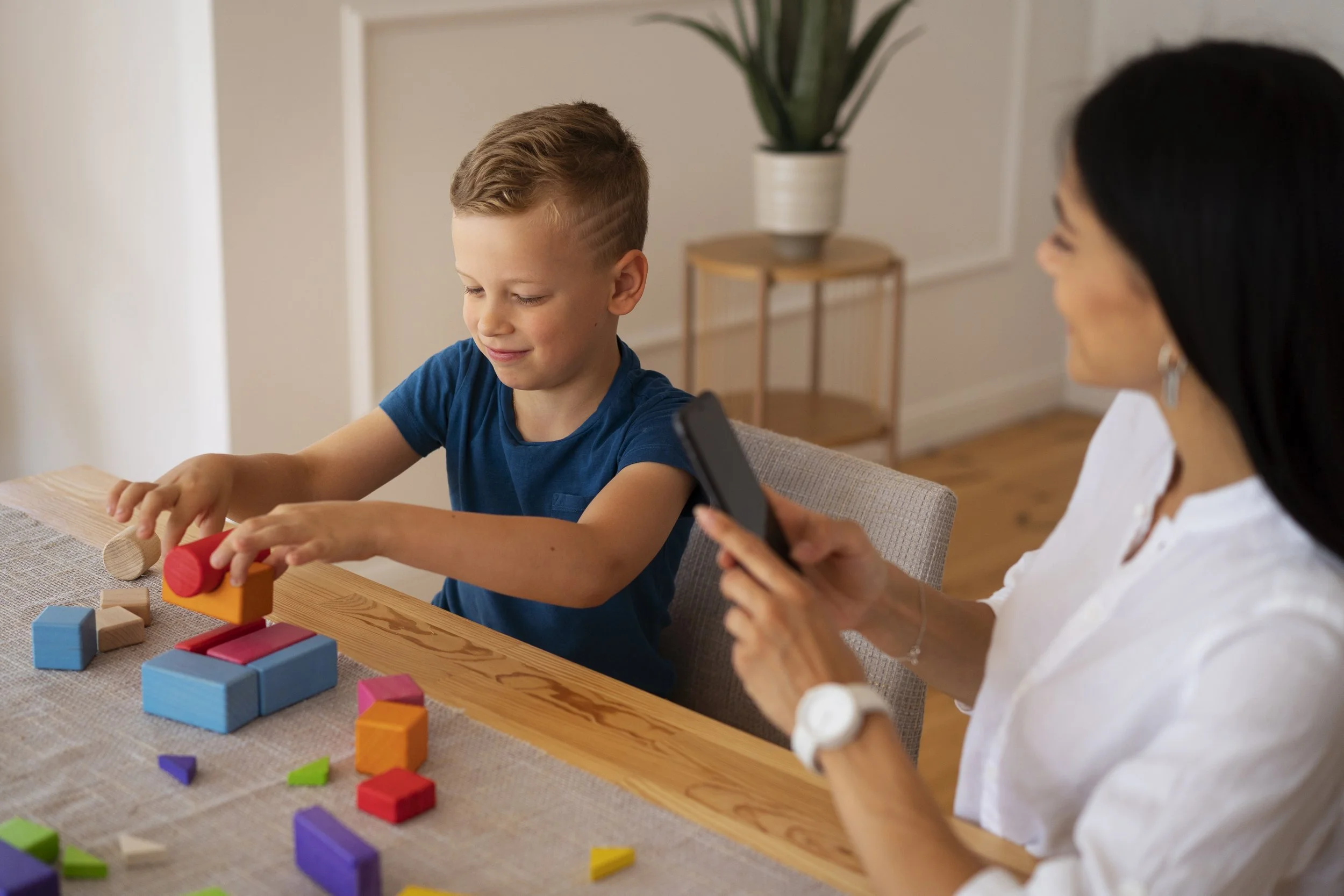
![A young boy playing with colorful wooden blocks at a dining table while a woman, possibly a caregiver or teacher, takes a photo of him with her smartphone in a well-lit room with wooden floors and a potted plant in the background.]()
In-Home Convenience
Bringing therapy into your child’s natural environment for comfort, consistency, and real-life progress.
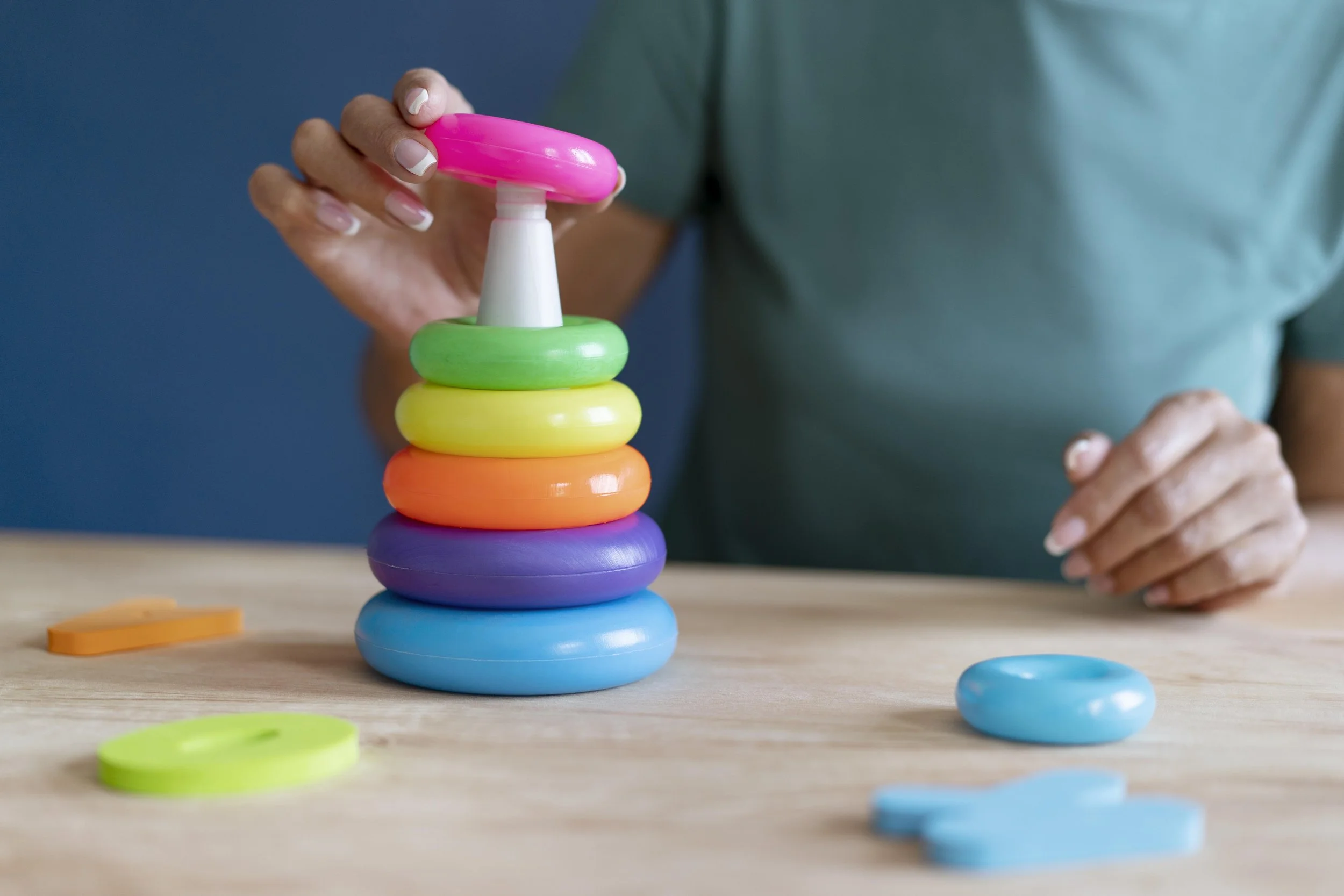

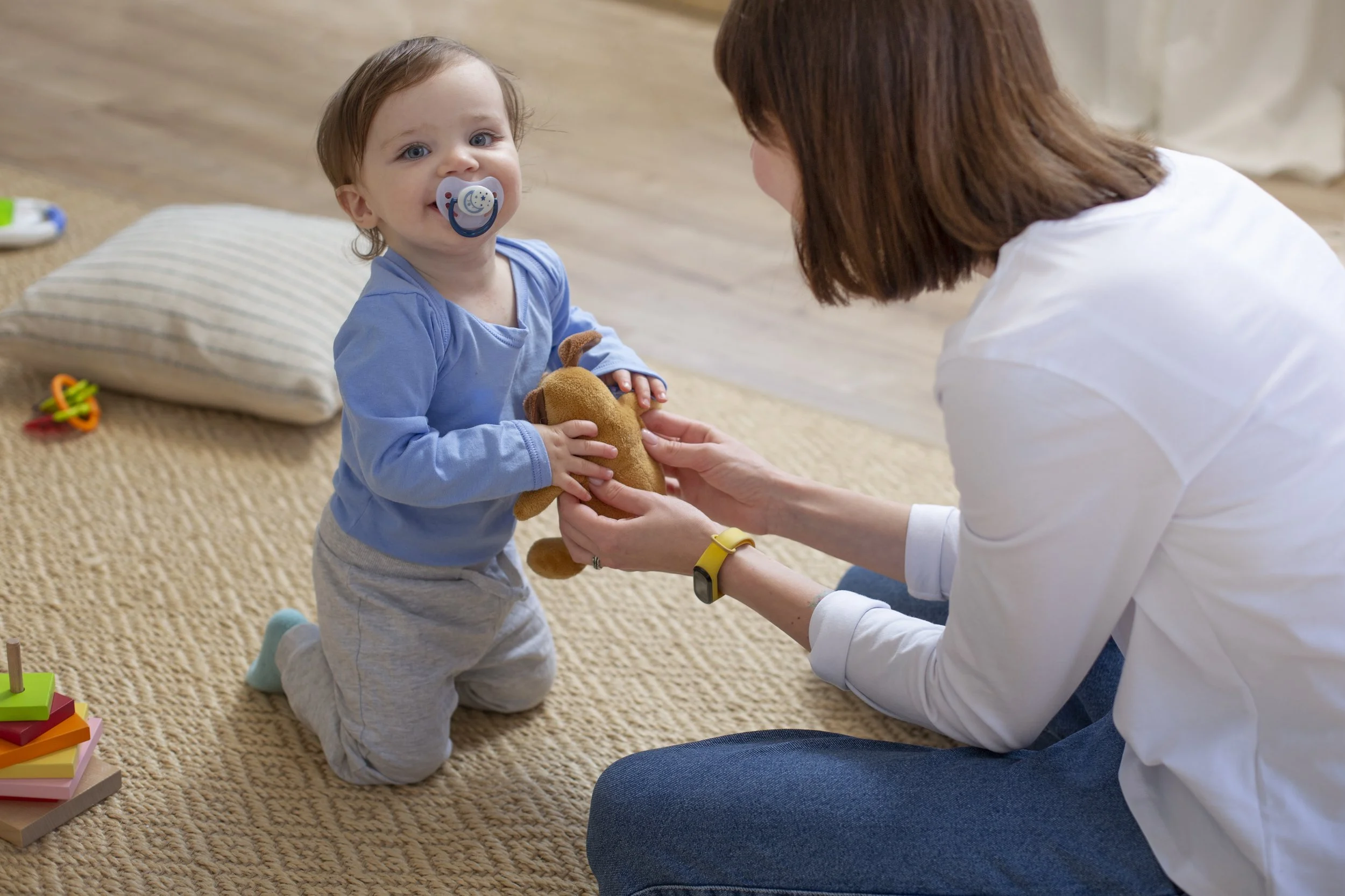
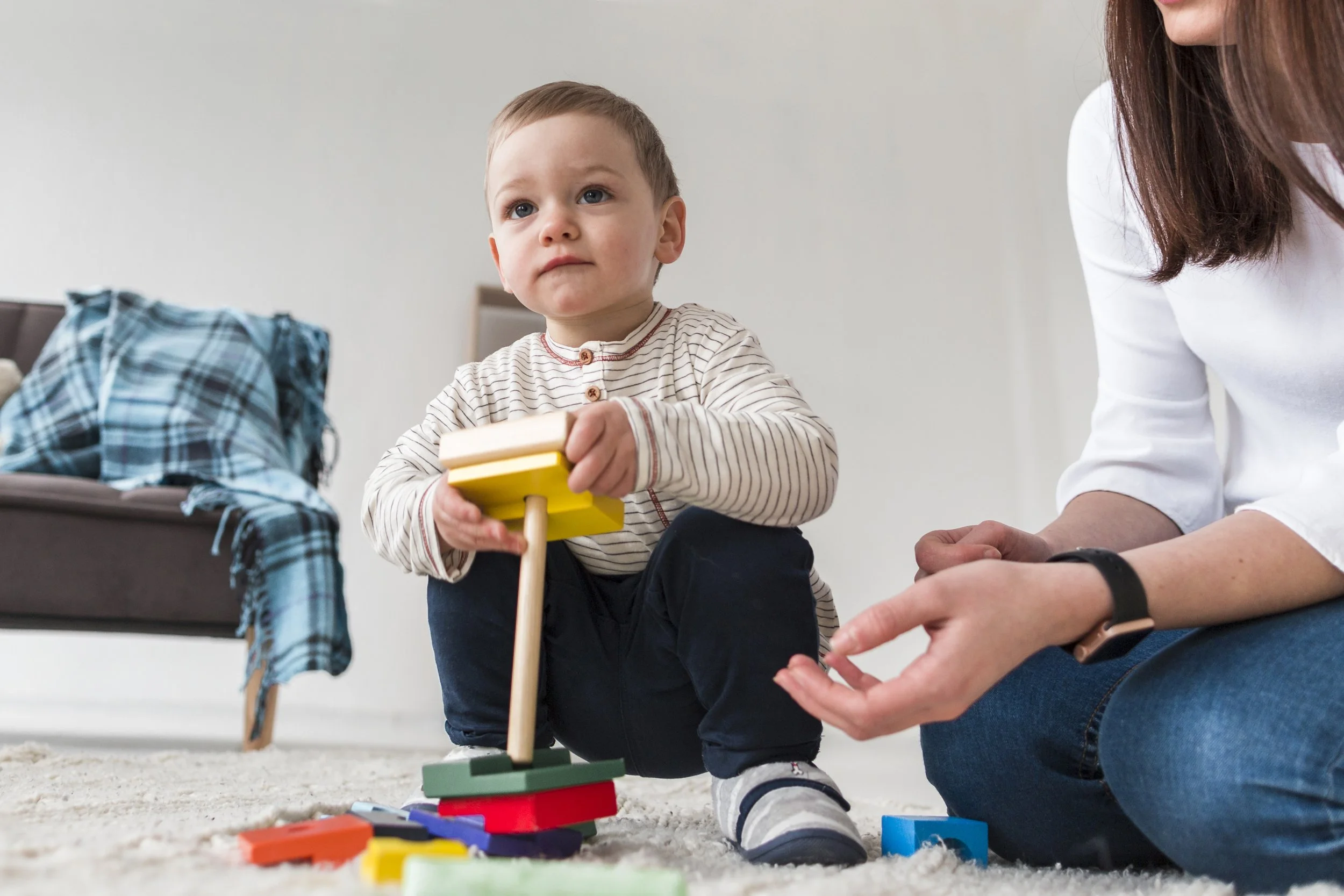
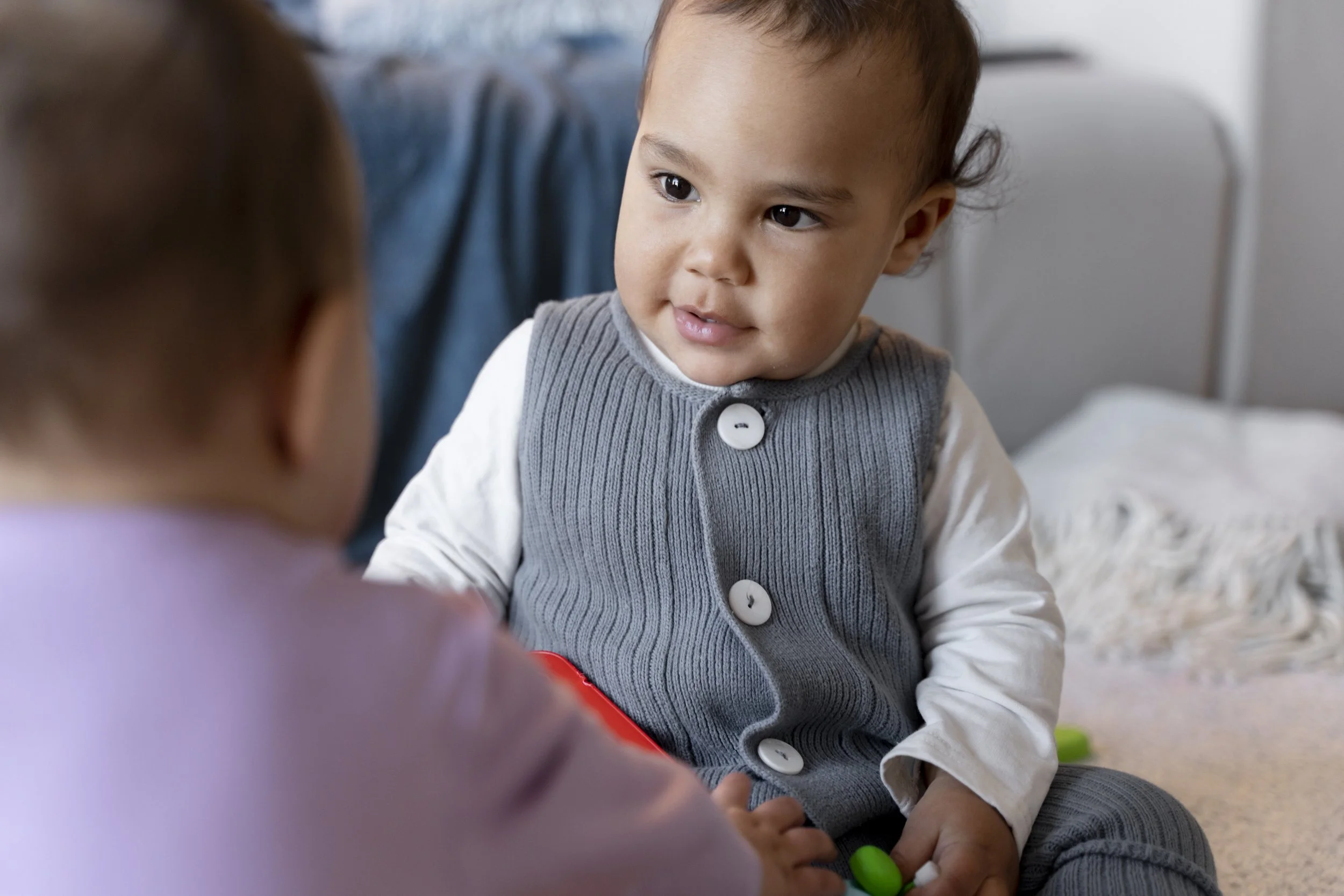


A Simple, Supportive Start

Free Screening Call
A warm conversation about your child’s needs and your family’s hopes.
In-Home Evaluation
Gentle observation and play-based assessment in the child's natural environment to understand your child’s strengths and needs.
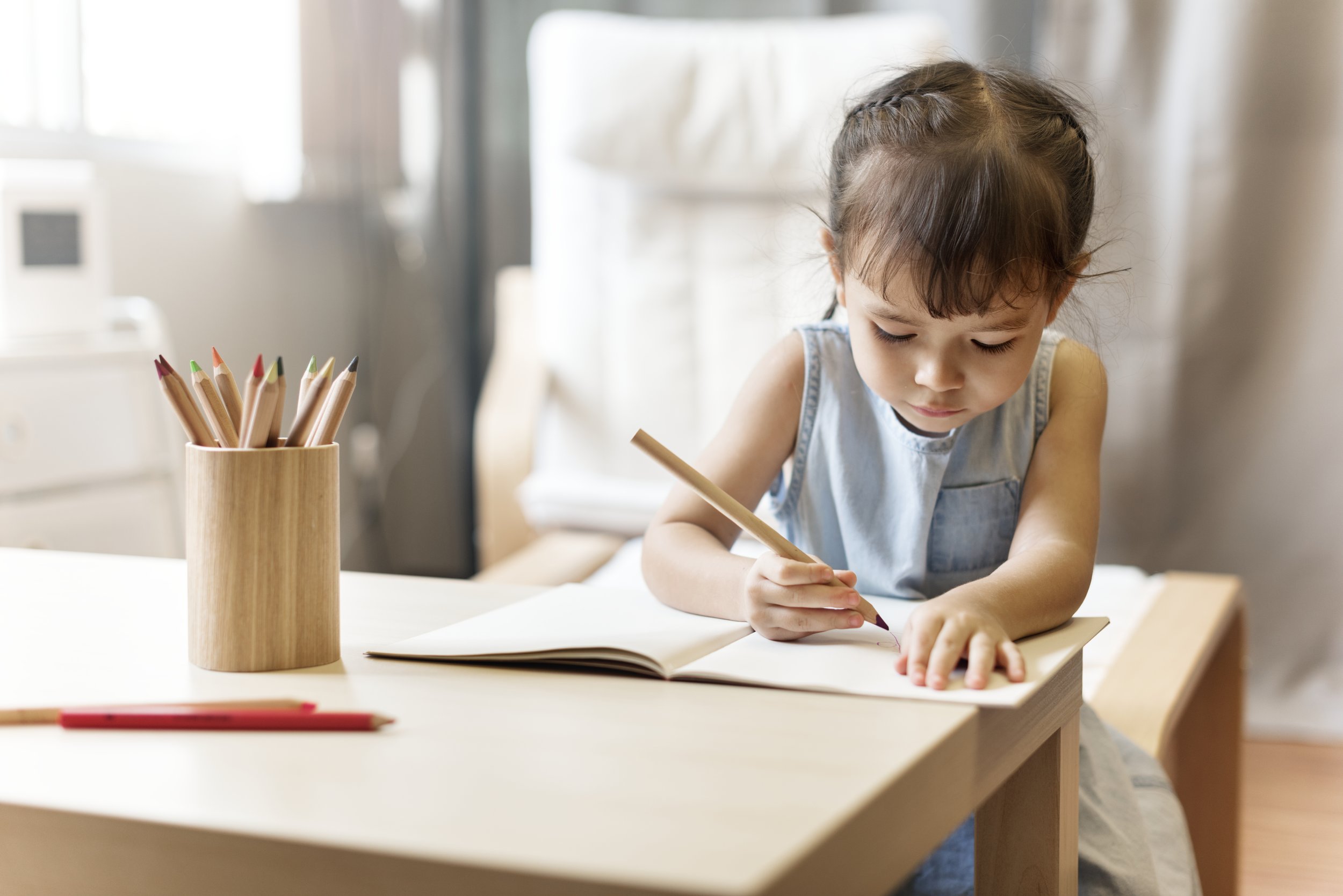
Personalized Therapy Plan
Thoughtful sessions rooted in connection, respect, and consistent support, with ongoing parent support to guide carryover into daily life.
What are OT Intensives?
An Occupational Therapy Intensive is a short-term, high-frequency therapy block designed to help your child make faster, more meaningful progress.
Instead of weekly sessions with slower gains, intensives deliver concentrated, consistent, and enriched experiences — right in your child’s home and natural environments, where learning and daily life truly happen.
Neuroplasticity in Action
At Joy in Every Child, our intensive therapy approach is based on the STAR Frame of Reference, developed by Dr. Lucy Jane Miller and the STAR Institute. This research-backed model understands sensory processing as a complex neurological system that influences how children experience and respond to the world.
The brain strengthens with frequent, purposeful practice:
More practice = stronger brain pathways → skills become automatic faster
Right environment = better carryover → progress sticks at home, school, and in the community
High-frequency sessions = lasting results → gains are faster and longer-lasting
Why Does More Frequent, Shorter-Term Therapy Work Better?
Research and clinical experience from the STAR Institute demonstrate that:
Higher frequency therapy (3–5 times per week) over a shorter period (4–6 weeks) produces greater improvements in sensory integration and self-regulation compared to less frequent, long-term therapy.
The brain’s neuroplasticity responds optimally to consistent, repeated sensory input within a condensed timeframe, allowing more efficient formation of new neural connections.
This approach leads to meaningful improvements in attention, emotional regulation, motor skills, and daily functioning.
Traditional Weekly Therapy vs. OT Intensives
Traditional Weekly Therapy
1× per week → slower progress
Long gaps between practice
Limited transfer into daily routines
Minimal parent involvement
OT Intensives at Joy in Every Child
Multiple sessions per week → faster gains
Frequent repetitions strengthen brain pathways
Consistent reinforcement boosts real-life use
Ongoing parent coaching & collaboration
At Joy in Every Child, we create a supportive, joyful environment where your child feels safe and motivated to grow. We also work closely with families, equipping caregivers with tools to support progress at home.
Choosing Joy in Every Child means choosing lasting change, confidence, and joy in your child’s development.
Core Domains We Focus On
-
Sensory Processing & Integration
The foundation for attention, language, learning, motor planning, and social connection.Ask yourself: Does your child avoid or seek certain sensations (noise, touch, movement)? Do busy places overwhelm them? Do sensory needs affect routines, learning, or friendships?
-

Regulation
Regulation means feeling safe in the body, matching energy to the moment, and recovering after stress. We start with co-regulation (calming together with you), then grow your child’s self-regulation, so big feelings and transitions become easier.
Ask yourself: Do big emotions derail your day? Is it hard for your child to calm after excitement or frustration? Do transitions or changes lead to meltdowns or shut-downs?
-
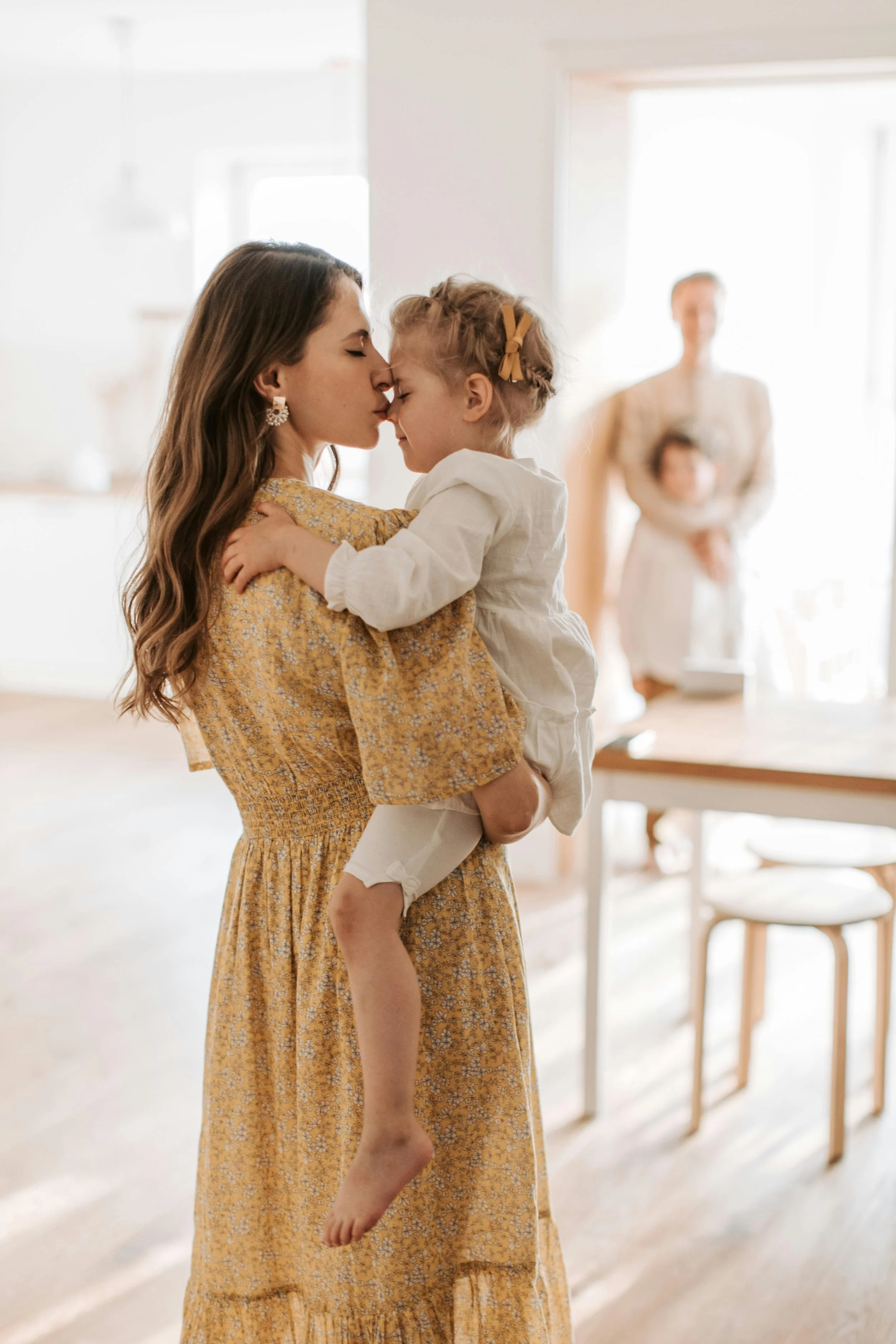
Relationships
Deep, trusting relationships are the engine of growth. We strengthen your connection with your child so therapy gains naturally carry over into daily routines. When children feel seen and understood, motivation, confidence, and joy blossom.
Ask yourself: Do you feel connected during daily routines? Does your child accept support from you? Are you finding enough joyful moments that make learning stick?
FAQs
-
Pediatric occupational therapy helps children build the skills they need for everyday life — like playing, learning, moving, managing emotions, and doing daily routines. We look at the whole child — body, brain, and emotions — to understand what’s getting in the way of their participation and joy.
Through play and connection, we help children feel more confident, calm, and capable at their own pace. In OT, play is the way — but joy is the goal. -
No diagnosis is required. We work with children based on their individual needs and your family’s goals.
-
We support children from infancy through age 17 — from first milestones to teenage transitions.
Whether your child is just starting to explore the world or working through bigger challenges as they grow, we’re here to help every step of the way.
-
We provide in-home therapy within Santa Rosa and nearby cities, including Rohnert Park, Windsor, Petaluma, and surrounding areas.
Contact Us
Let’s begin this journey together.
Tell us a bit about your child and your goals — we’ll be in touch shortly to guide you through the next steps with care and compassion.